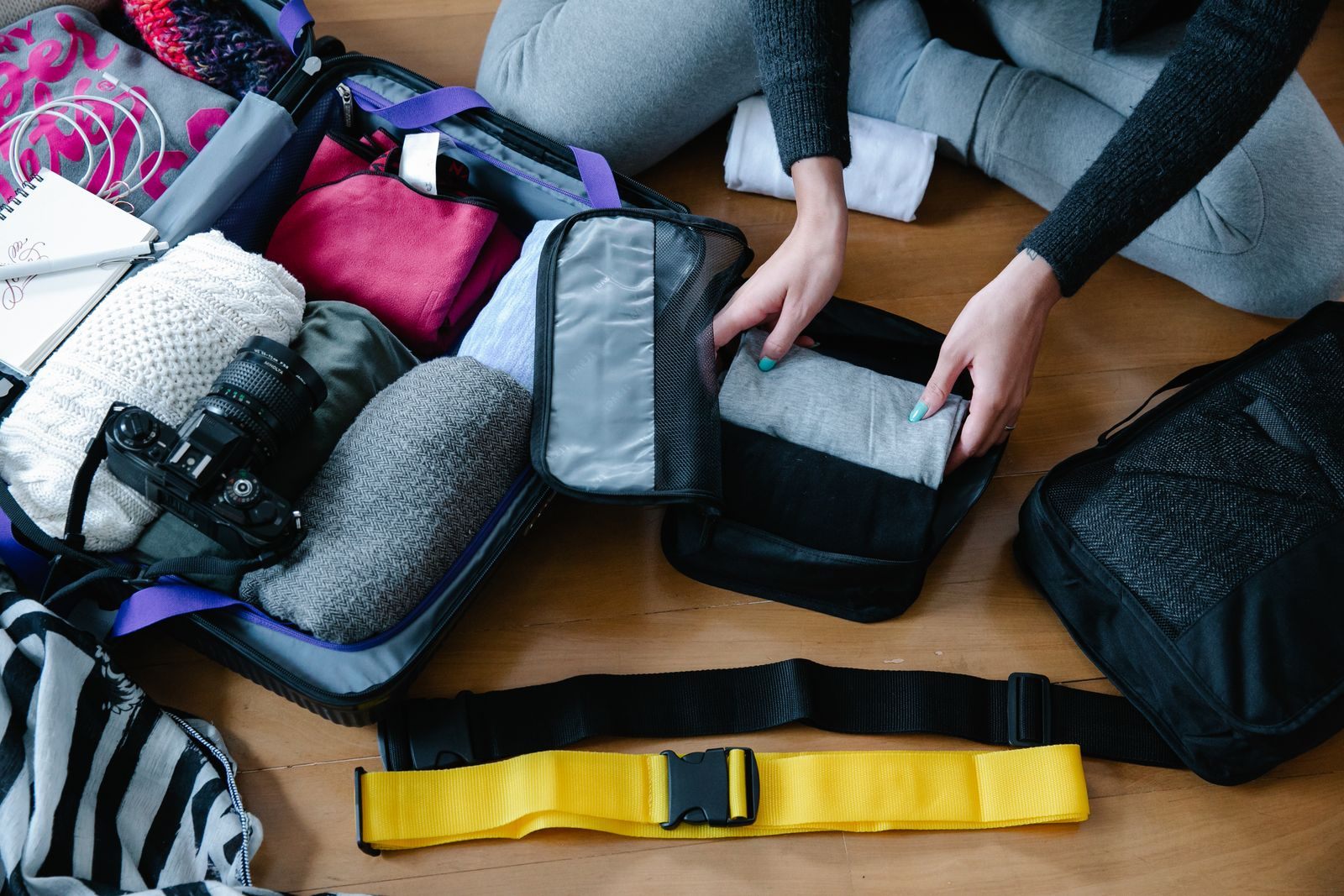
The Spontaneous Cruise Go-Bag
Keep the cruise-only items packed between trips, and a spontaneous cruise takes ten minutes to pack for.
Tell Us When You Can GoThe fastest way to make a spontaneous cruise possible is to make packing take ten minutes. A go-bag is simply a bag of cruise-specific items that stays packed between trips, so when a sailing appears you add clothes and documents and walk out the door.
What Goes in a Spontaneous Cruise Go-Bag
Sea-day kit
Reef-safe sunscreen, a hat, sunglasses, a swimsuit, a cover-up and a refillable water bottle.
Cabin comfort
A non-surge-protected multi-plug or USB hub (check your line’s list of banned items), a night light and magnetic hooks.
Health basics
Seasickness remedies, a small first-aid pouch and a written list of your prescriptions and doses.
Embarkation day
A small carry-on with a change of clothes and essentials, because checked bags can reach your cabin hours after you do.
Dress-up item
One outfit that works for a formal or dressy night on most lines, kept folded and ready.
Shore-day pouch
A lanyard or card holder, a dry bag for beach days and a compact daypack.
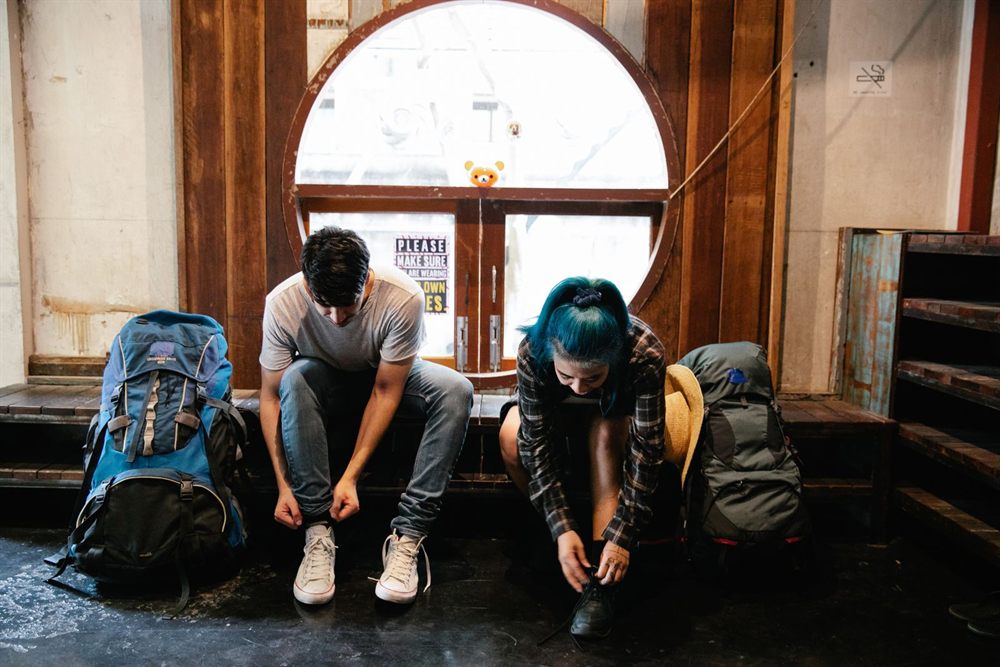
The Day a Sailing Appears
- Confirm the booking and complete the line’s online check-in and travel documents right away — late bookings get short deadlines.
- Pull your passport (or closed-loop documents) from its usual place and put it in your carry-on first.
- Refill prescriptions if you are short; pharmacies can be slow at the last minute.
- Add clothes for the number of nights, checking the line’s dress code.
- Arrange parking or a ride to the port; flying in on sailing day is the riskiest choice.
For a printable list that covers everything, including what most first-time cruisers forget, use Cruising Checklist. If you must fly, Cruise Airfare explains how to time the flight so a delay does not cost you the ship.
Adjusting the Bag by Destination
The core bag works for almost any short sailing. A few additions cover the rest: a fleece, a waterproof jacket and binoculars for Alaska or northern Europe; a lightweight long-sleeved layer and water shoes for the Caribbean and Mexico; comfortable walking shoes for port-heavy Mediterranean trips. Keep these extras in a labeled pouch beside the main bag, so choosing a destination at short notice also tells you which pouch to add.
Keeping the Go-Bag Ready
The habit that makes a go-bag work is restocking it the moment you unpack. Wash and replace the swimsuit, replace the sunscreen you used, charge the power bank, check medication expiry dates. Put a note on top listing anything you borrowed from the bag for another trip. Then the next time someone says “there’s a ship leaving Friday,” the bag is the easy part.
Go-Bag Questions
What should never live in a cruise go-bag?
Your passport and other identity documents, cash and anything perishable. Keep documents in one known place at home and add them the day you leave.
Do I need a separate go-bag for each person?
A small kit per person works best for medications and personal items, with shared items such as power strips without surge protectors (where allowed), lanyards and sea-day gear in one family bag.
Bag Packed? Let Us Find the Ship
Send us your travel window and nearby ports. Our cruise advisors at Mister Cruise will look for a spontaneous cruise that fits.
Find My Spontaneous Cruise